Compliance
SWMS made simple: safe work method statements for tradies
11 October 2026 · 5 min read
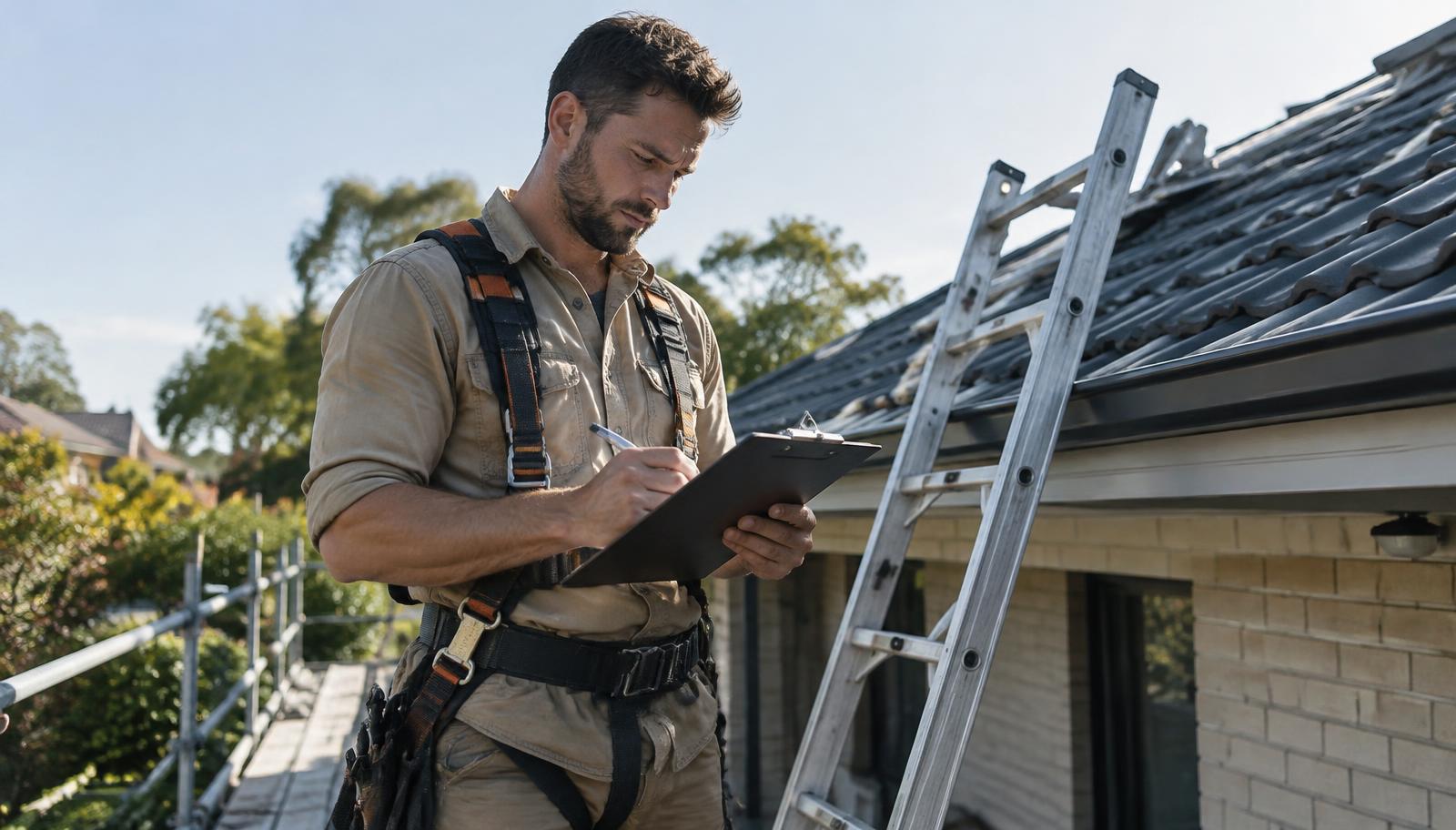
A Safe Work Method Statement (SWMS) is a short document that sets out high-risk work you'll be doing, the hazards, and how you'll control them. On many sites you won't get through the gate without one.
When do you need one?
Under the WHS laws in most states, a SWMS is required before 'high-risk construction work'. Common examples for tradies include:
- Working where someone could fall more than 2 metres
- Work on or near energised electrical installations
- Work in or near trenches deeper than 1.5 metres
- Work involving asbestos
- Work near traffic or mobile plant
- Work in confined spaces
- Demolition of load-bearing structures
What goes in it
- The high-risk work being done
- The hazards and risks
- The control measures (and how they'll be put in place)
- Who's responsible and how it's reviewed
- Sign-off from everyone doing the work
Keep a template per job type
You don't need to start from scratch every time. Keep a template for the work you do most — roof work, switchboard upgrades, trenching — and tweak it for each site. Save them in Henri's Docs and link them to the job.
Keep it real
A SWMS only works if you follow it. Walk the site, update it when conditions change, and make sure everyone on the job has read and signed it.
General information only — check Safe Work Australia and your state WHS regulator for the rules that apply to you.